What Is Pranayama?
Pranayama is a yoga breathing practice that focuses on controlling and improving your breathing.
The word pranayama comes from Sanskrit:
- Prana = life force or energy
- Ayama = control or expansion
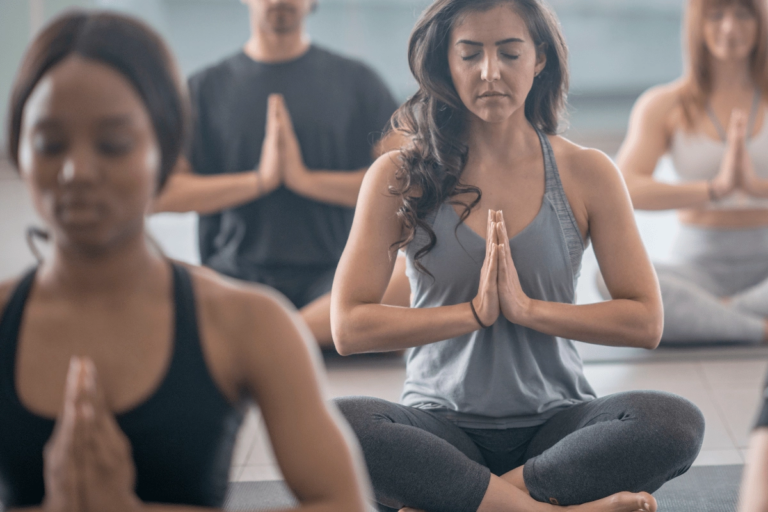
In simple terms, pranayama means controlling and expanding your breath to improve physical and mental well-being. Through slow, guided breathing techniques, pranayama signals your body to relax. Your heart rate slows, muscles release tension, and your mind begins to relax. Many people notice that even a few minutes of conscious breathing can reduce stress and improve mental clarity.
In a yoga class, pranayama serves as a bridge between the body and the mind. In most classes at a Yoga studio in Abu Dhabi, pranayama is practiced either at the beginning or the end of a session. It prepares your body before performing any movement and helps you to relax afterward, leaving you feeling calm and refreshed rather than exhausted. And while it has ancient roots, science now shows that controlled breathing can actually calm your nervous system, reduce stress, and help your body to relax almost instantly.
How Breathing Influences Your Brain
Your breath does more than just supply oxygen to your body; it also directly affects how your brain and body respond to stress. Inside your body, there are two main modes of the nervous system constantly at work.
- Sympathetic nervous system
- Parasympathetic nervous system
The sympathetic nervous system is your “fight or flight” mode. It switches on during stressful moments, such as work deadlines, traffic, or daily pressure. Your heart rate rises, and your breathing becomes quick and shallow. As a result, your body stays on high alert. The parasympathetic nervous system, on the other hand, is your “rest and reset” mode. This is where healing, digestion, and mental calmness occur.
The interesting part? Your breath is one of the fastest ways to switch between these two states.
Slow, steady breathing — like the techniques practiced in a Yoga studio in Abu Dhabi — sends a powerful signal to your brain that you are safe. As a result, your heart rate slows, stress hormone levels drop, and your mind becomes clearer and more focused.
In this way, you can manually shift from a stress response to a state of calm.
The Brain Magic Behind Key Pranayama Techniques
Let’s explore three powerful breathing techniques we practice at Antara Yoga & Pilates. Research shows they can help shift your brain towards greater calm and clarity.
Nadi Shodhana (Alternate Nostril Breathing)
This technique involves inhaling through one nostril and exhaling through the other in a gentle rhythm. The alternating pattern helps to balance activity between the two hemispheres of the brain, promoting calm focus and mental stability. Research shows that this breathing style can reduce anxiety levels while improving concentration, making it especially helpful before stressful situations or busy days.
Ujjayi Breath (Ocean Breath)
Ujjayi breathing uses a soft contraction in the throat to create a slow, steady “ocean-like” sound. This controlled breathing stimulates the vagus nerve, which plays a key role in calming the nervous system.
Bhramari (Bee Breath)
In this technique, you hum softly as you exhale. The gentle vibration helps calm racing thoughts and relax the mind, making it especially useful for releasing tension after a busy day. Research suggests that humming may help reduce physiological stress markers and support mental clarity by soothing overactive neural activity. Regular practice of these pranayama techniques doesn’t just create temporary relaxation. Over time, mindful breathing supports brain adaptability and resilience, helping you to respond to challenges with greater calm and clarity.
The Science of Slow Breathing
Research shows that slow breathing (around 5–6 breaths per minute) stimulates the vagus nerve. The vagus nerve connects your brain to major organs like your heart and lungs.
When stimulated, it improves:
- Emotional regulation
- Focus
- Heart rate variability
- Stress resilience
At Antara Yoga & Pilates in Abu Dhabi, instructors guide you through breathing patterns that naturally stimulate this calming pathway. That’s why you feel peaceful after a yoga class, even if your day was stressful before.
Pranayama and Mental Clarity
Breathing deeply increases oxygen supply to the brain. More oxygen improves cognitive function, memory, and focus.
Students who practice regularly at a Yoga studio in Abu Dhabi often report:
- Better concentration
- Improved sleep
- Reduced anxiety
- Increased energy
And this isn’t just psychological, it’s biological.
Why Learning in a Studio Matters
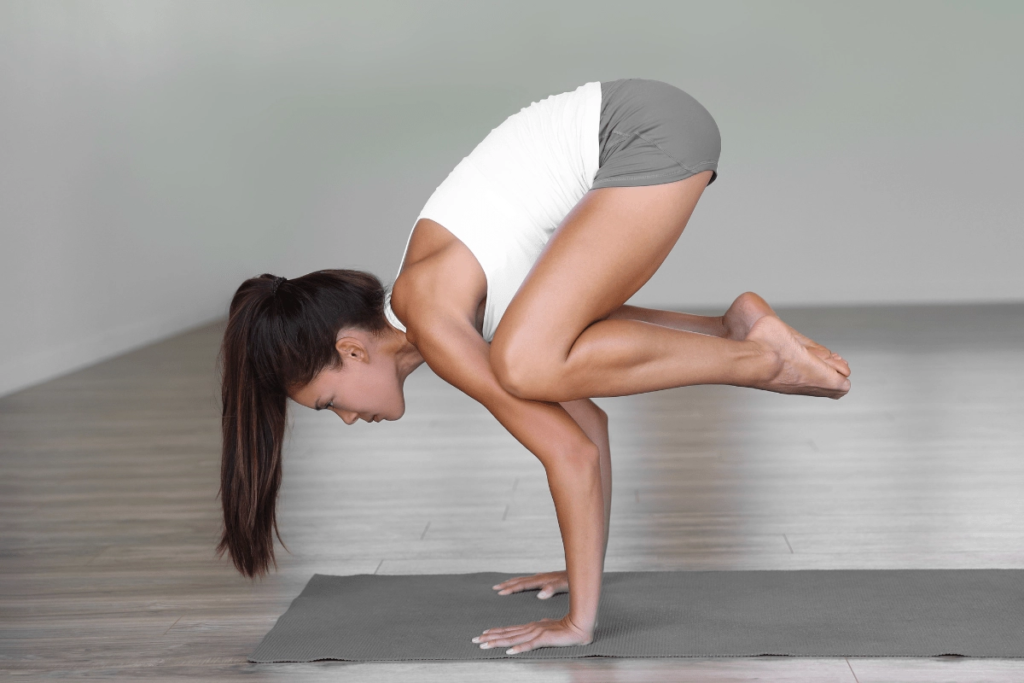
While you can watch breathing tutorials online, learning in a structured Yoga studio in Abu Dhabi gives you:
- Professional guidance
- Correct posture alignment
- Safe progression
- Personalized feedback
Breathing techniques may look simple, but small adjustments in rhythm and posture can make a big difference. At Antara Yoga & Pilates, the goal is to create a safe space where you can explore breath control with expert support.
Your Breath Is Your Superpower
You take around 20,000 breaths every day without even thinking about it. But the moment you start paying attention to your breath, you begin to notice a real shift. Your body relaxes when your thoughts slow down, and you feel more grounded and present.
That’s the beauty of pranayama. It’s not complicated or mystical; it’s simply learning how to breathe in a way that supports your body and mind. Research shows that controlled breathing can lower stress, improve focus, help you sleep better, and keep your mind calm and steady. And practicing at a supportive space like Antara Yoga & Pilates helps you understand how to use your breath properly and safely.
If you’re ready to experience the science-backed power of breath control, visit Antara Yoga & Pilates, a Yoga studio in Abu Dhabi. Learn how to breathe with intention, calm your mind, and strengthen your body simultaneously. Your transformation starts with a single breath.